Underwater hockey (also known as octopush) is a non-contact sport where two teams of players wearing snorkeling gear hold their breath and push a weighted puck along the bottom of a pool to try to get the puck into a goal.
Underwater hockey introduces a level of three dimensional play unseen in other sports because players have to breathe at the top of the water while the play is going on at the bottom of the pool. Strategies require careful coordination of timing in order to orchestrate successful offensive and defensive maneuvers with 2 or more players on the bottom while allowing some players to rest and recover oxygen on the surface.
Where can I play underwater hockey?
Underwater hockey is played in over 40 countries globally, in every continent except antarctica.
In Canada it is played in most major cities across the country. A complete list of Clubs, practice times and contact information for clubs for Canada can be found here
What equipment is needed for underwater hockey?
Full rules and regulations for underwater hockey equipment can be found here.
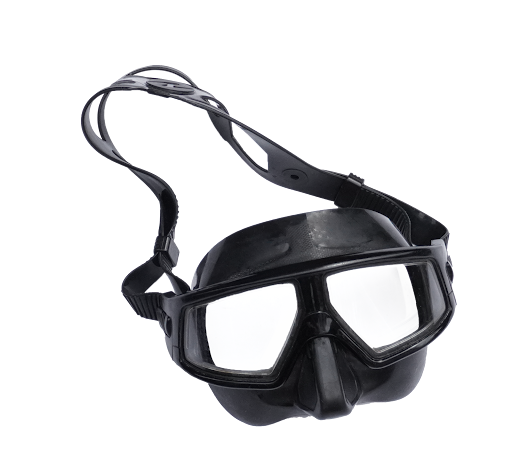
Mask
Masks are the same as those typically used for snorkeling. To ensure that masks won’t break, masks are typically a two lens design and must be made of shatterproof materials. Players choose masks which offer them good visibility while being comfortable to wear.
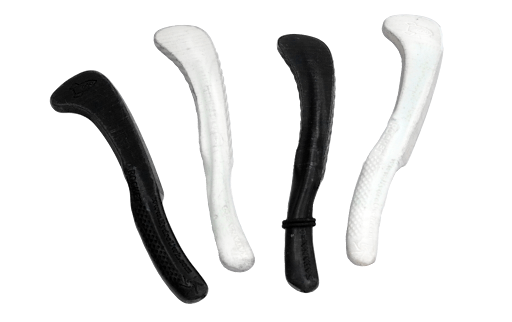
Stick
Underwater hockey sticks are a shaped piece of wood or plastic, typically between 25 and 30 cm long with a hook that angles towards the player holding it. The colour of a player’s stick (black or white) indicates which team a player is playing on.
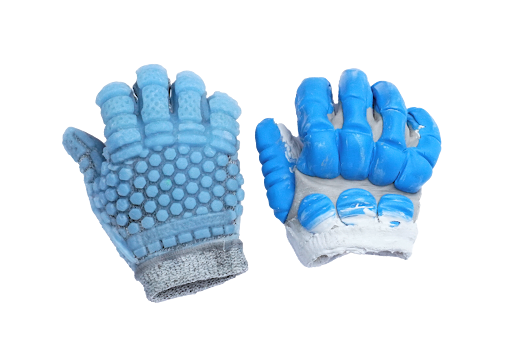
Glove
Gloves are important for protecting a player’s stick hand while playing. Gloves are either bought or homemade using silicon, a glove and paint. The colour of a glove must clearly contrast with the colour of a player’s stick and the colour of the puck so, gloves are typically, blue, green or purple.
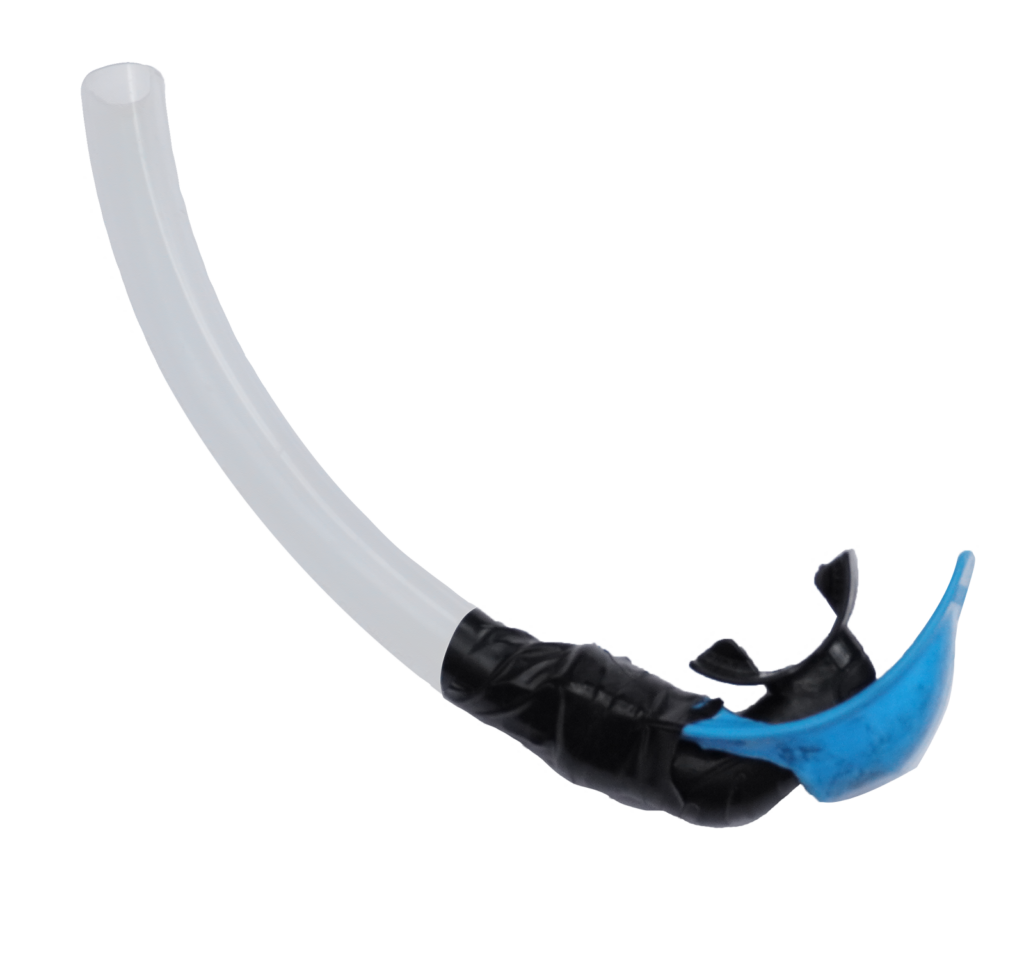
Snorkel
Snorkels are used to let players watch the game while breathing. Snorkels come in a variety of shapes and sizes and must be made flexible so as to not hurt other players.
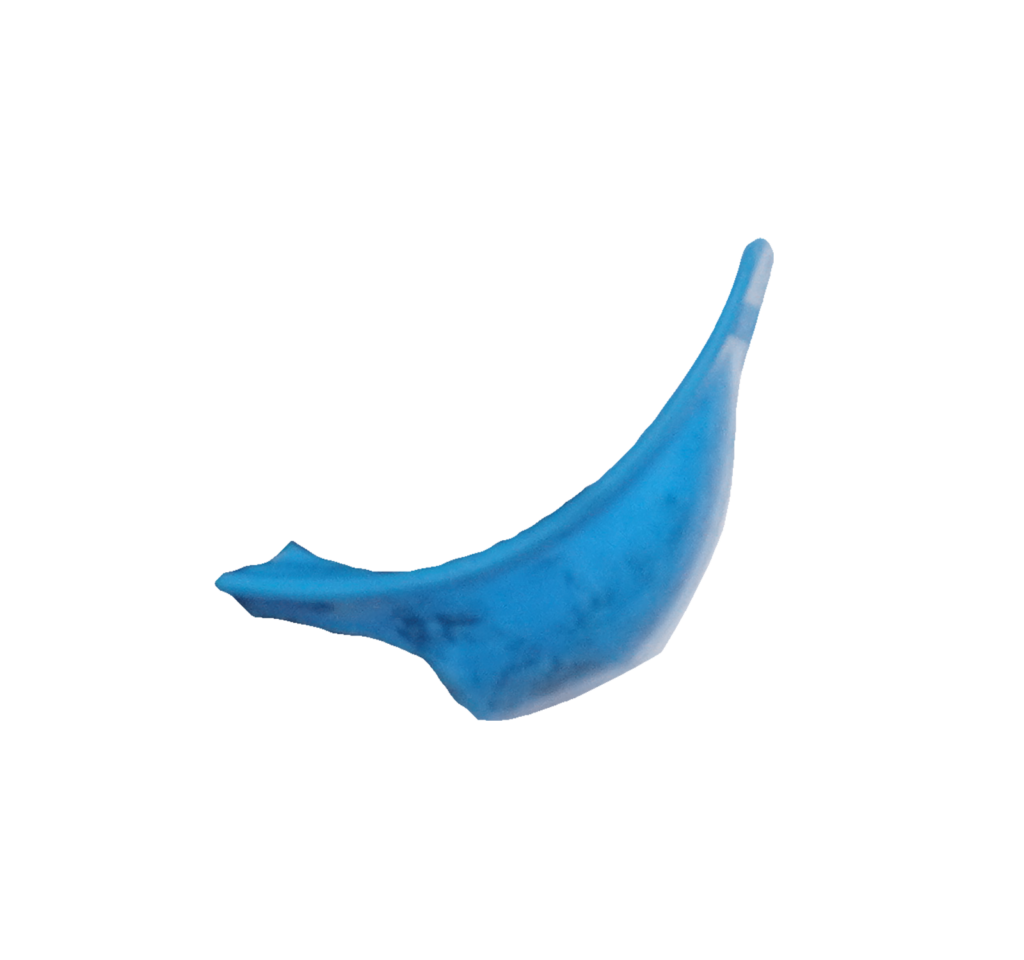
Mouthguard
A mouth guard is placed over the mouthpiece of the snorkel to help protect the players teeth / mouth from accidental injuries. An internal mouthguard can also be used.

Fins
Fins allow players to propel themselves through the water quickly and efficiently. Fins come in many shapes and sizes with preference varying from player to player. For example, some players prefer fins that provide them with more straight line speed while others prefer fins that allow for more agile movement.
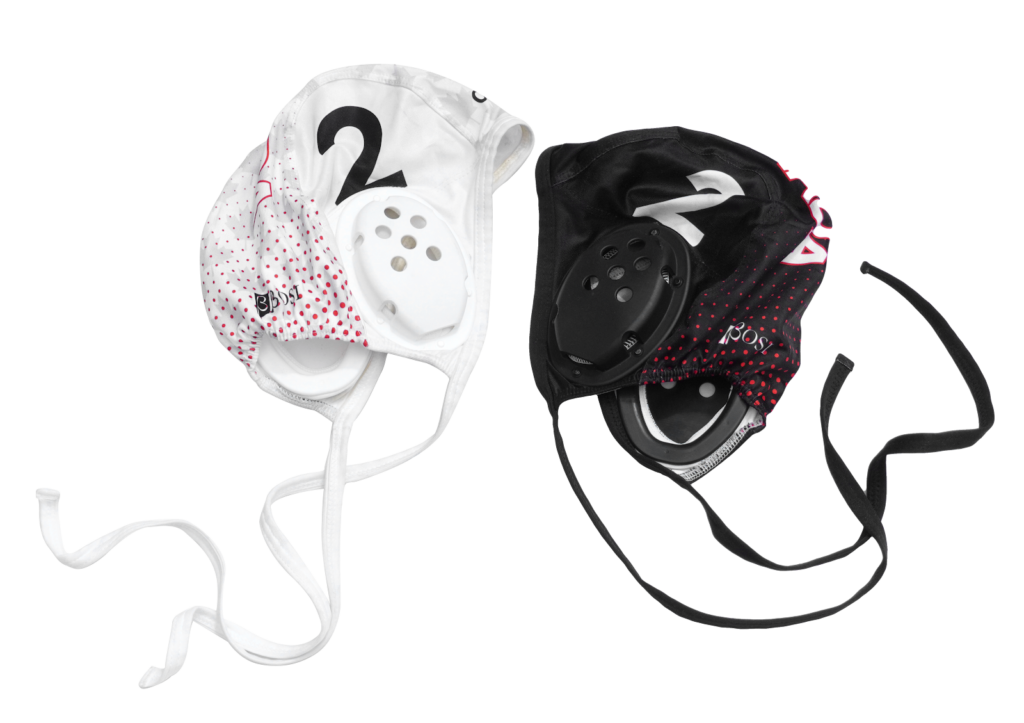
Water Polo Caps
These are the same caps that are used in water polo. These caps are used to protect players from possible ear injuries. Additionally, cap colour is used to identify which team a player is on.
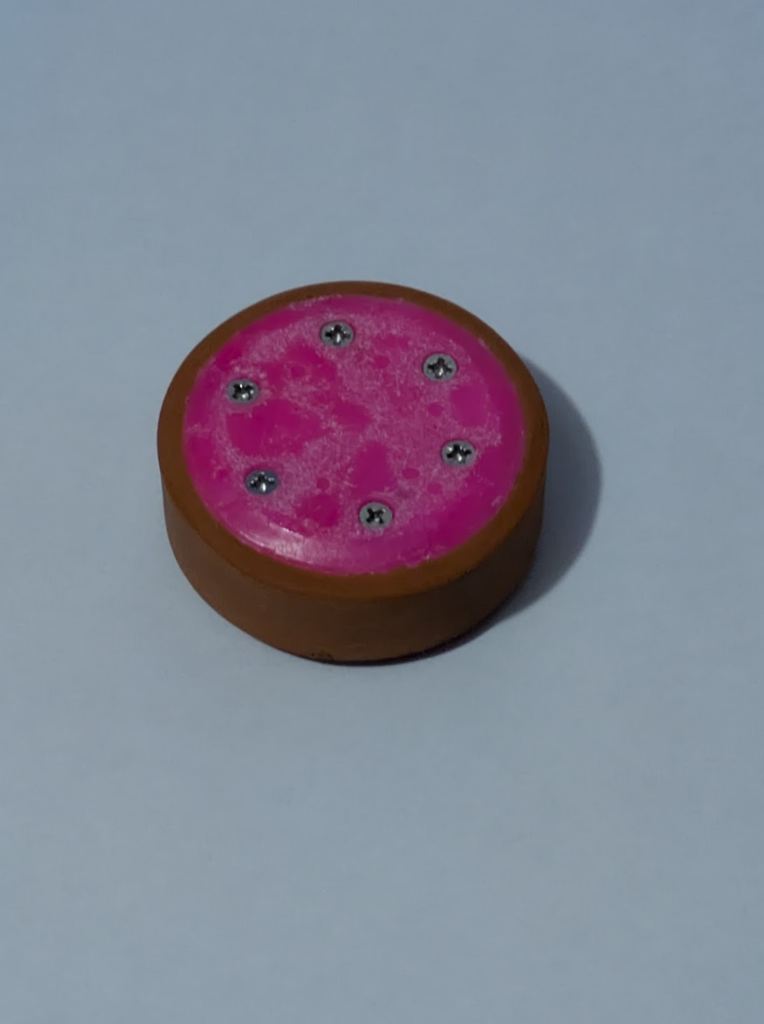
Pucks
There are a number of different pucks used for Underwater hockey. An official puck weighs between 1.1 and 1.5 Kilos and typically is made of lead coated in a plastic or other rubber.

Goal (net)
An underwater hockey goal is a 3m wide metal trough with a sloped edge leading into it.
How long is a typical game?
A regulation underwater hockey game is two fifteen-minute halves with a three minute half time. Each team gets one, one-minute timeout per half. Depending on the practice, tournament or type of game, game lengths may vary.
How many players play at once?
The sport is typically played 6 on 6 with 4 subs on each team. Like in ice hockey, players sub on the fly meaning that a player may enter the sub-box at any point in the game and a substituting player takes their place. There are also 3 on 3 and 4 on 4 variations of the sport.
When was underwater hockey created?
Underwater hockey was invented in 1954 by Alan Blake with the Southsea Sub-Aqua Club in Portsmouth, United Kingdom. The sport was first introduced in Canada in 1962 to a Vancouver Dive club by a scuba diving instructor and dive shop owner named Norm Leibeck.